
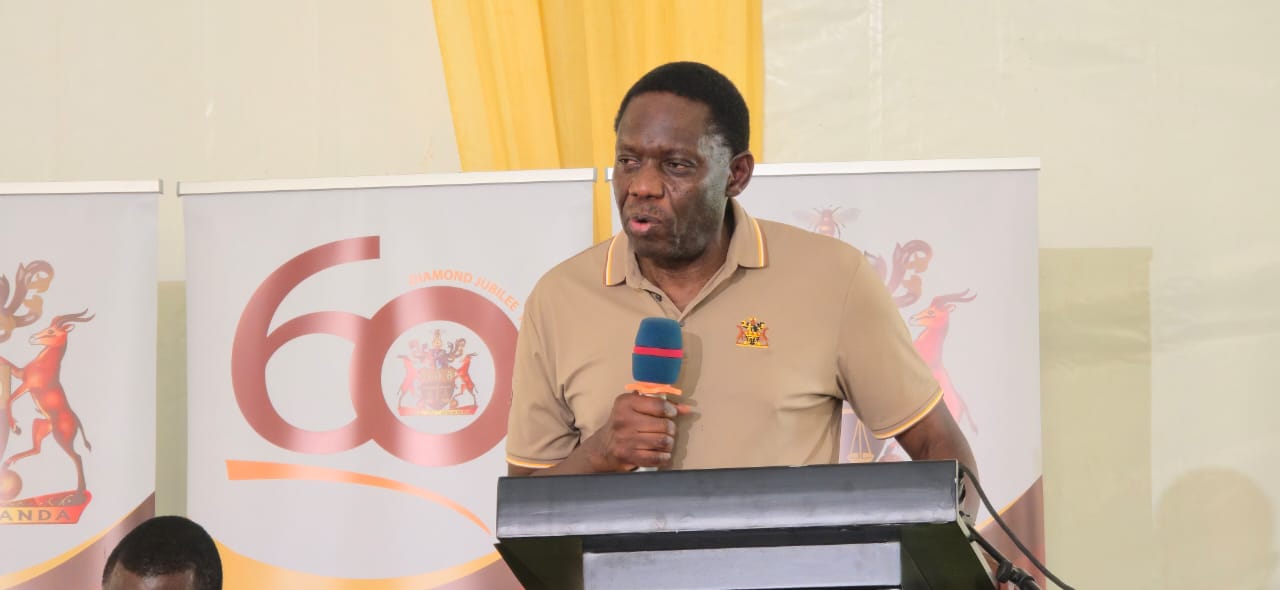
The Governor of the Bank of Uganda, Michael Atingi‑Ego, has warned that escalating tensions in the Middle East could negatively affect Uganda’s economy, highlighting the region’s critical role in global trade and energy supply.
Speaking during a two-day financial literacy and stakeholders’ engagement in Kamuli, Dr. Atingi‑Ego noted that geopolitical developments, including Iran’s recent closure of the Strait of Hormuz—a key maritime route carrying over 20 percent of the world’s oil supply—could disrupt global oil markets and push fuel prices higher.
“The closure of the Strait of Hormuz is likely to tighten global oil supply. Any disruption in that corridor inevitably drives up energy prices, and those increases eventually filter into economies like Uganda that rely on imported fuel,” he said.
The governor added that Uganda’s trade and financial ties with Middle Eastern countries could expose the economy to shocks through rising fuel costs, disrupted trade flows, and fluctuations in remittances from Ugandans working abroad.
He cited gold exports as a key example of trade vulnerable to regional instability.
To strengthen economic resilience, the Bank of Uganda has been increasing strategic reserves, boosting foreign exchange reserves from $2.7 billion in 2022 to $5.5 billion, and plans to begin purchasing gold next month.
Atingi‑Ego emphasized that these measures are part of broader efforts to cushion the economy from external shocks while supporting Uganda’s long-term ambition of ten-fold economic growth by 2040.
“More Ugandans must understand how to use banking services, save, and invest productively in the economy,” he said, stressing the importance of financial literacy.
He also highlighted the role of the private sector in driving growth, noting that commercial banks have committed to expanding access to credit through the Uganda Bankers Association.
The engagement in Kamuli brought together local leaders, farmers, traders, and financial sector stakeholders to discuss access to banking services, responsible borrowing, and participation in the formal economy, reflecting government efforts to deepen financial inclusion across Uganda.
